I’ve spent years working in the health and wellness space, helping people navigate supplements, nutrition, and lifestyle changes that support whole-body balance. Over time, I’ve watched countless supplements come and go. But every so often, a natural compound stands out for its consistency and effectiveness.
Recently, berberine has gotten a lot of interest. More people, especially those who prefer clean-label, plant-based options, are asking about it, reading about it, and adding it to their routines for natural support with blood sugar, healthy weight, and heart wellness.
If you’ve seen berberine on a supplement shelf or trending on social media and wondered what makes it so special, this guide breaks it down in a simple, clear, and practical way.
What Is Berberine?
Berberine is a bright yellow bioactive compound naturally found in several plants, including barberry, goldenseal, and Oregon grape. These botanicals have been used in traditional Asian, Middle Eastern, and Indigenous medicine systems for centuries. Modern berberine supplements extract this compound for purity. This provides a plant-based option to address common wellness goals, especially metabolic health.1
Berberine is non-synthetic and clean, and is available in vegan-friendly capsules, making it a good choice for those seeking gentle, natural support.
How Berberine Works?
Berberine influences several key metabolic pathways. One of its main effects is activating AMPK, often called the body’s “metabolic switch.” AMPK helps regulate how the body uses energy, burns fat, and responds to insulin. These actions play an important role in steady blood sugar, healthy weight balance, and long-term heart health.2
Berberine also supports better glucose use in cells, helps the body break down carbohydrates more efficiently, and slows how quickly carbs are absorbed. Together, these effects contribute to more stable blood sugar and smoother daily energy.
Berberine for Blood Sugar: Supporting Steady Energy
One of the main reasons people try berberine is to help support natural blood sugar balance.3
When blood sugar rises and falls too quickly, it can lead to mid-afternoon crashes, irritability between meals, or sudden cravings. Research shows that berberine significantly improves glucose metabolism and insulin sensitivity. This can help stabilize blood sugar levels and reduce spikes and dips throughout the day.4
Berberine helps smooth out these shifts by supporting:
- More even energy throughout the day.
- A steadier response to meals, especially those higher in carbohydrates.
- Fewer spikes and dips in daily rhythms.
- A more stable appetite.
Paired with balanced meals, fiber, and regular movement, berberine can be a helpful tool for wellness-minded adults who want more consistent daily energy and appetite control.
Berberine for Weight: A Natural Helper for a Healthier Metabolism
While berberine supports balanced blood sugar, it can also help with healthy weight management. It’s not a quick-fix solution, but research suggests that berberine may support weight goals by helping the body use energy more efficiently, encouraging smoother metabolic function, and supporting a healthy inflammatory response.5
People often turn to berberine for weight-related support because it can:5-6
- Support a Smoother Metabolism. By helping your body use energy more effectively, berberine supports healthy metabolic function that can help with long-term weight goals.
- Encourage a Balanced Appetite. Many people feel more satisfied after meals and experience fewer sudden cravings, making mindful eating easier.
- Promote Steadier Energy. When energy levels are more consistent, it becomes easier to stay active, cook at home, and maintain daily routines that support healthy habits.
Rather than forcing fast changes, berberine supports the background systems that help you maintain progress in a steady, sustainable way.
Berberine and Heart Health: Supporting Long-Term Wellness
Metabolic health and cardiovascular wellness are deeply connected. When the body manages blood sugar, fats, and energy efficiently, the heart naturally benefits too. This is why many people consider berberine part of their heart-supporting routine.7
Berberine can help support:8
- Healthy Cholesterol Levels. Research shows that berberine may help in supporting healthy lipid levels. This includes supporting balanced levels of LDL, HDL, and triglycerides.
- Balanced Lipid Metabolism. Berberine helps the body process fats better, contributing to overall metabolic stability.
- Long-term Cardiovascular Wellness. Berberine's gentle, plant-based support makes it appealing for those focusing on heart health through natural means.
These effects contribute to berberine’s reputation as a whole-body metabolic support ingredient that benefits multiple areas of wellness.
Berberine and Gut Health
Berberine appears to help create a more balanced digestive ecosystem by supporting a favorable environment that allows beneficial gut microbes to thrive. It also offers a protective effect in the gut, supporting overall digestive wellness.9
What to Look for in a Berberine Supplement
Not all berberine supplements are the same. Quality matters, especially for those who care about clean-label products. When choosing a berberine supplement, many wellness shoppers look for:
- Organic or Non-GMO Sourcing. This supports ingredient purity and fits well with eco-conscious lifestyles. Look for organic berberine supplements that clearly state organic certification or non-GMO (non-genetically modified organism) verification on their labels.
- Plant-based or Vegan Capsules. Good for those avoiding gelatin or animal-derived ingredients, many high-quality berberine products now use vegetable cellulose capsules instead of traditional gelatin capsules.
- Third-party Testing. Independent testing for potency and purity adds an extra layer of reassurance. Quality manufacturers will display third-party certification badges or provide certificates of analysis.
- Minimal Additives. Simple formulas with few fillers, dyes, or artificial ingredients appeal to many people. The ingredient list should be short and recognizable.
- Clear Dosing on the Label. Look for products that clearly state the berberine HCl content per capsule (typically 500mg).
- High Manufacturing Standards. Choose supplements made in GMP-certified facilities and manufactured by companies with strong quality track records in the wellness industry.
These details can help you choose a berberine supplement that lines up with your values and wellness goals.
Using Berberine Safely and Effectively
Berberine is considered well-tolerated when taken as directed. Take with meals to help with comfort and absorption. Recommended doses in trials range from 500 to 1,500 mg per day, often split into two or three doses for steady coverage.
Safety tips:
- Start with the suggested serving size on the product label.
- Take it with food, especially when first starting out.
- Consider splitting the total daily serving into two or three smaller amounts across the day.
- Give the body time to adjust over the first couple of weeks.
- Talk to your healthcare provider before starting, especially if you take medications or have existing health concerns.
These steps help berberine fit into your daily life and support long-term comfort.
Berberine Side Effects
Although berberine can support gut balance, some people may notice mild digestive changes when they first start taking it. These can include:
- Nausea.
- Stomach discomfort.
- Constipation.
- Loose stools.
Many people never experience these symptoms, and for those who do, they usually improve once the body gets used to the supplement. Taking a smaller amount or pairing berberine with meals can help make the transition smoother.6
Who Might Consider a Berberine Supplement?
Berberine can be a helpful part of many wellness routines, but it tends to be especially appealing for anyone who wants:
- Natural blood sugar support.
- A plant-based approach to weight and metabolic balance.
- Steadier everyday energy.
- Long-term support for heart and metabolic wellness.
- Non-GMO, clean-label supplement options.
- A simple botanical that fits into a holistic lifestyle.
It’s often used alongside other practices such as mindful eating, daily walks, and stress management techniques.
Berberine Works Best With a Balanced Lifestyle
Like most supplements, berberine works best when it complements—not replaces— healthy habits. Consider:
- Regular, balanced meals instead of skipping.
- Fruits, vegetables, beans, and whole grains.
- Daily movement, even if it’s just a walk or light stretching.
- Getting good-quality sleep.
- Drinking plenty of water and keeping hydrated.
- Eating foods like yogurt, kefir, kimchi, or sauerkraut to support gut health.
Think of berberine as a partner. It helps reinforce the positive habits you’re already working on, offering gentle support across blood sugar, weight, and heart health.
Final Thoughts
If you’re looking for a natural, plant-based way to support your metabolic health, berberine may be worth exploring. Many people appreciate it for its ability to help promote:
- More steady, balanced blood sugar.
- Consistent daily energy.
- A smoother, more efficient metabolism.
- Support with appetite and healthy weight goals.
- Long-term heart and metabolic wellness.
As with any new supplement, it’s a good idea to check in with your healthcare provider, especially if you’re managing a health condition or taking medications.
Also, when you’re choosing a berberine supplement, look for one that matches your preferences and lifestyle. Clean, organic, vegan-friendly, and non-GMO formulas with clear dosing and third-party testing can help you feel confident in what you’re taking.
Take the first step toward better metabolic health. Add a high-quality berberine supplement to your daily routine today.
References:
- Cathers, M. (2025). Berberine’s Potential Health Benefits: What To Tell Your Patients. American Pharmacists Association.
- Zieniuk B, Pawełkowicz M. (2025). Berberine as a Bioactive Alkaloid: Multi-Omics Perspectives on Its Role in Obesity Management. Metabolites, 15(7):467. https://pmc.ncbi.nlm.nih.gov/articles/PMC12299511/
- Ji L, et al. (2025) Berberine Ursodeoxycholate for the Treatment of Type 2 Diabetes: A Randomized Clinical Trial. JAMA Netw Open. https://pubmed.ncbi.nlm.nih.gov/40029660/
- Mohammad Z, et al. (2022). Efficacy and Safety of Berberine in Obesity and Metabolic Disorders: An Updated Systematic Review and Meta-Analysis. Front. Nutr. https://www.frontiersin.org/journals/nutrition/articles/10.3389/fnut.2022.1013055/full
- Yun J, et al. (2025).Impact of Berberine Hydrochloride-assisted Metformin on the Metabolism of Glycolipids and Serum Levels of TIMP-1 and TGF-β1 in Individuals with Type 2 Diabetes. Pharmacognosy Magazine. https://journals.sagepub.com/doi/full/10.1177/09731296241287592
- National Center for Complementary and Integrative Health (NCCIH). (2024). Berberine and Weight Loss: What You Need To Know. https://www.nccih.nih.gov/health/berberine-and-weight-loss-what-you-need-to-know
- Lei L, et al. (2023). Efficacy and Safety Profile of Berberine Treatment in Improving Risk Factors for Cardiovascular Disease: A Systematic Review and Meta-analysis of Randomized, Double-blind Trials. Cardiology Discovery. https://mednexus.org/doi/full/10.1097/CD9.0000000000000087
- Hadi E., et al. (2022). The effect of barberry (Berberis integerrima) on lipid profile and systemic inflammation in subjects with cardiovascular risk factors: a randomized controlled trial. BMC Complement Med Ther. https://pubmed.ncbi.nlm.nih.gov/35255880/
- Zhang L, et al. (2021). Effects of Berberine on the Gastrointestinal Microbiota. Front Cell Infect Microbiol. https://pmc.ncbi.nlm.nih.gov/articles/PMC7933196/
DISCLAIMER:
These statements have not been approved by the Food and Drug Administration. These products are not intended to diagnose, treat, cure, or prevent disease.


























































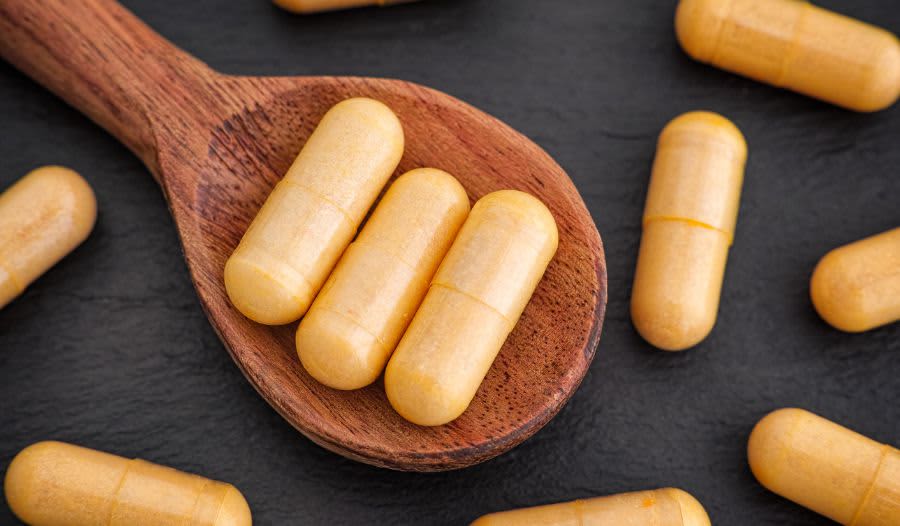
 Table of Contents