Key Takeaways
- Carb blockers are a type of dietary supplement: They’re often made from ingredients like white kidney bean extract.
- They’re used with starch-containing meals: These products are typically taken alongside foods that include complex carbohydrates.
- They don’t apply to all carbs: Carb blockers are generally associated with starch-based foods rather than simple sugars.
- Research findings are mixed: Studies on these supplements show varying results, and outcomes may differ by product and use.
- They’re one of many weight management tools: These supplements are often discussed alongside broader diet and lifestyle approaches.
It can be tricky to control your weight during food-centric holidays featuring starchy side dishes and sugary desserts. Stress may also lure you to high-carb foods rich in calories.
Unless you’re following a special low-carb diet, you’re likely getting about half your daily calories from carbohydrates (carbs). For someone consuming 2,000 calories per day, that would be 250 grams (g) of carbs.
Could so-called “carb blocker” supplements, sometimes called starch blockers, let you enjoy carb-rich foods without the full calorie load?
Carb Digestion 101
Digestible carbohydrates come in two main forms — simple or complex. Carb blockers may work on one form of carbohydrate but not others. So, it’s important to understand the difference in carb types.
- Simple carbs — Include sugar and other caloric sweeteners. They’re commonly added to candy, baked goods, ice cream, soda, and other processed foods. Some simple carbs are naturally present in foods, particularly fruit and milk.
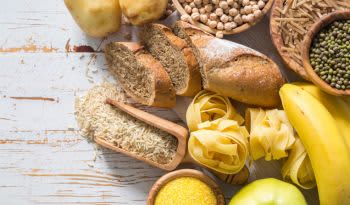
- Complex carbs — Are better known as starch and are made of longer, more complex chains of sugar molecules. They’re primarily found in grain-based foods (such as bread, pasta, cereal, crackers, and snack chips), legumes (beans and peas), and starchy vegetables (especially corn and potatoes).
Your body breaks down complex carbs with the help of amylase digestive enzymes. Once starch is broken into smaller units, other enzymes finish the job.
The end result of carb digestion is single sugars that can be absorbed in your small intestine. Once you absorb the sugars, you can use them for energy or store them as fat. In other words, you glean their calories. But what if you could outsmart this system with a carb blocker?
What Are Carb Blockers?
So-called “carb blockers” are supplements designed to interfere with carbohydrate digestion. How do they do this?
“Carb blockers bind to the digestive enzymes that normally break down carbohydrates into smaller molecules,” says Jay Udani, MD, an internal medicine physician in Agoura Hills, California, who has coauthored several studies on carb-blocking supplements. “This may help prevent or slow the digestion of carbohydrates.”
Thwarting carb digestion may decrease the calories you get from carbs. It may also help reduce spikes in blood sugar and insulin when you eat carbs. These effects may help with weight management.
The most common type of carb-blocking supplement is made from extracts of white kidney beans (Phaseolus vulgaris). These supplements are designed to interfere with the digestion of complex carbs.
Do Carb Blocker Supplements Work?
Phase 2®, a standardized extract from white kidney beans, is the most extensively studied, natural carb-blocking ingredient. Udani and other scientists looked at this carb blocker’s effects on weight and body fat in a review of 14 human clinical studies.
The participants in these studies were looking to manage their weight and took at least 1,200 milligrams (mg) of the carb blocker per day for 1–3 months. The group using the carb blocker while eating their usual diet experienced meaningful support for overall weight management and demonstrated a beneficial shift in body composition and fat reduction compared to the placebo group.
An earlier review of clinical studies of white kidney bean extracts didn’t consistently find that they helped with weight management. This was likely due to the variability in the quality of bean extracts tested. Moreover, bean extracts developed in the early 1980s were made with inferior technology, resulting in limited effectiveness. Better options are available today.
Still, you should have realistic expectations.
“Like most supplements designed to help with weight, consumers tend to overestimate the benefits,” Udani says. “Don’t expect a carb blocker to help you drop 20 pounds and three dress sizes in a week. Instead, use the supplements in combination with an overall healthy change in your diet and lifestyle.”
Tips for Taking Carb Blockers
To get the most benefit from carb-blocking supplements, you must take them with certain kinds of meals, in appropriate doses, and at the proper time.
“Carb-blocking supplements made from kidney bean extract only work if you’re eating complex carbohydrates,” Udani says. “If you’re eating a meal that contains only protein and fat, these supplements won’t do anything.”
For example, if you’re following a strict keto diet and have a very low carb intake, there won’t be much starch for the supplement to block. That means the carb blocker won’t substantially impact the calories you get from your meal. (An exception is if you’re having a “cheat meal” higher in carbs.)
Also, remember that bean-extract carb blockers only work on complex carbs, not simple carbs. So, don’t expect these carb blockers to help if you overindulge on candy, soda, and ice cream, which primarily contain simple carbs.
The dosage and timing of carb blockers are also important. In studies of kidney bean-based carb blockers, people were generally given 500–3,000 mg of the supplement per day. It’s best to split the day’s dosage over your highest carb meals.
Moreover, some evidence suggests you should take carb blockers about 10 minutes before you eat. Udani explains that you have to allow time for the supplement capsule to dissolve in your gut. At a minimum, he advises taking the supplements before your first bite of complex carbs.
Carb blockers are generally well-tolerated, especially after your gut gets used to them. “There are individual case reports of some people experiencing digestive symptoms like bloating or loose stools,” Udani says. “But, these seem to resolve after a few days of using the supplements.”
If you have diabetes, consult your doctor before taking a carb-blocking supplement.
Controlling Carb Intake
The goal isn’t to cut out all carbs. Remember, nutritious plant foods like sweet potatoes and blueberries are primarily made of carbs. The most important thing is to eat healthy carbs the majority of the time and limit highly processed ones.
The recommended dietary allowance for carbs for adults without diabetes is 130 g per day, which is sometimes viewed as a “minimum daily requirement for carbs.” This is based partly on your brain’s need for glucose (carbs) for fuel.
However, your body can convert certain components of fat and protein to glucose. This is why people eating only 20–50 g of net carbs (which don’t include fiber) per day on a ketogenic diet can still fuel their brain. That said, you need to be careful to ensure you’re getting all the nutrients you need on such a restrictive diet.
If you find processed carbs like breakfast pastries, cookies, and cake calling your name a little too often, you may need to tackle the cravings head-on. Remember, most carb-blocking supplements aren’t formulated to help with the simple carbs found in these goodies.
To help tame carb cravings, try:
- Chromium — This essential mineral supports blood sugar balance and proper insulin activity, which can impact cravings. Research suggests 200–1,000 micrograms of chromium picolinate daily may help combat carb cravings.
- 5-HTP (5-hydroxytryptophan) — This compound is the immediate precursor to tryptophan, an amino acid your body needs to make serotonin. When serotonin levels fall, which they’re prone to do during dieting, carb cravings can spike. Supplementing with 5-HTP may help support serotonin levels, so you’re not unduly tempted by carbs.
- Gymnema sylvestre — Compounds in this herb can temporarily block sweet taste receptors on your tongue, which may help keep cravings for sweet foods in check. For example, one study found that sucking on a Gymnema lozenge helped people eat less chocolate. Plus, the herb may help inhibit the absorption of glucose (sugar) in your gut.
- Balance — Aim for balance in your meals and snacks. Eating foods that provide protein, healthy fat, and fiber supports a feeling of fullness. That could also help you kick carb cravings.
Remember, carb blockers are just one of many tools you can use to help manage your weight. You also need to watch what you eat and get regular physical activity. And other supplements may help curb cravings for carbs.
References:
- Trends in Dietary Carbohydrate, Protein, and Fat Intake and Diet Quality Among US Adults, 1999-2016 - PMC
- Systematic Review and Meta-Analysis of a Proprietary Alpha-Amylase Inhibitor from White Bean (Phaseolus vulgaris L.) on Weight and Fat Loss in Humans - PubMed
- The efficacy of Phaseolus vulgaris as a weight-loss supplement: a systematic review and meta-analysis of randomised clinical trials - PubMed
- The nutraceutical role of the Phaseolus vulgaris alpha-amylase inhibitor - PubMed
- A proprietary alpha-amylase inhibitor from white bean (Phaseolus vulgaris): a review of clinical studies on weight loss and glycemic control - PubMed
- Bean amylase inhibitor and other carbohydrate absorption blockers: effects on diabesity and general health - PubMed
- Beyond the Calories-Is the Problem in the Processing? - PubMed
- Nutrition Therapy for Adults With Diabetes or Prediabetes: A Consensus Report - PubMed
- A double-blind, placebo-controlled, exploratory trial of chromium picolinate in atypical depression: effect on carbohydrate craving - PubMed
- A scientific review: the role of chromium in insulin resistance - PubMed
- Effects of a caloric restriction weight loss diet on tryptophan metabolism and inflammatory biomarkers in overweight adults - PubMed
- 5-Hydroxytryptophan: a clinically-effective serotonin precursor - PubMed
- Gymnemic acids lozenge reduces short-term consumption of high-sugar food: A placebo controlled experiment - PubMed
- Consuming Gymnema sylvestre Reduces the Desire for High-Sugar Sweet Foods - PMC
- A systematic review of Gymnema sylvestre in obesity and diabetes management - PubMed
- Premeal Consumption of a Protein-Enriched, Dietary Fiber-Fortified Bar Decreases Total Energy Intake in Healthy Individuals - PubMed
- Using the Avocado to Test the Satiety Effects of a Fat-Fiber Combination in Place of Carbohydrate Energy in a Breakfast Meal in Overweight and Obese Men and Women: A Randomized Clinical Trial - PubMed
- The Role of Fiber in Energy Balance - PubMed
DISCLAIMER:
These statements have not been approved by the Food and Drug Administration. These products are not intended to diagnose, treat, cure, or prevent disease.

























































 Table of Contents