Liquid Chlorophyll And Chlorophyllin: 7 Health Benefits, Uses, + Side Effects
890,175 Views
Evidence Based
iHerb has strict sourcing guidelines and draws from peer-reviewed studies, academic research institutions, medical journals, and reputable media sites. This badge indicates that a list of studies, resources, and statistics can be found in the references section at the bottom of the page.
Responsible for the peaceful hues we find in parks and forests, chlorophyll is the green pigment in plant cells responsible for producing energy by way of photosynthesis when exposed to sunlight. Available from plants or supplements, chlorophyll has health benefits that can improve your overall wellness both inside and out.
When chlorophyll is taken in a supplement form, it is technically known as chlorophyllin, which contains the mineral copper instead of the magnesium found naturally in chlorophyll’s molecular structure.
What Are the Health Benefits Of Chlorophyll?
Chlorophyll has seven evidence-based health benefits you may enjoy.
1. Chlorophyll May Help Aid Detoxification
Chlorophyll may support the body's natural detoxification processes by helping to bind and eliminate environmental impurities.
A study found that chlorophyll can reduce aflatoxin biomarkers by 55% compared to a placebo. Aflatoxins are poisonous compounds produced by molds, especially the genus Aspergillus. These mutagens can grow on foods such as tree nuts, rice, spices, and figs. According to research, taking a chlorophyll supplement may decrease ingested aflatoxin levels. Some studies also show that chlorophyll can bind to heavy metals, helping eliminate them from the body.
2. Chlorophyll May Help Boost Your Immune System
Studies have shown that if a person’s white blood cell formation is impaired, chlorophyll may help improve white blood cell production. Some studies suggest that chlorophyll may support healthy white blood cell production, which is vital for a robust immune system
Chlorophyll has also been shown to protect cells from oxidative damage by removing free radicals. Several studies report that chlorophyllin acts as an antioxidant in both human and animal studies. This action protects the body from oxidative stress that can come from toxin exposure and the aging process.
3. Chlorophyll May Improve Blood Health
Chlorophyll is considered the blood of plants, with benefits for human blood as well. An interesting study found that mammalian mitochondrial cells were able to produce more adenosine triphosphate (ATP) when exposed to chlorophyll and sunlight. ATP is what gives mammals the energy they need. Suggesting that, through chlorophyll, animals can also generate energy from the sun.
4. Chlorophyll May Support Healthy Skin
When applied topically, chlorophyll improves sun-damaged skin and acne and large pores in two pilot studies conducted over eight and three weeks, respectively.
Research has also shown that chlorophyllin may reduce bacterial growth and inflammation in skin wounds. That will also help wounds heal faster and reduce the risk of infection. Chlorophyll can be helpful in the treatment of burns and ulcers, stimulating the growth of new tissue formation.
A topical application of chlorophyll may have anti-aging properties due to its antioxidant properties. By also supporting healthy mitochondria, which play a key role in disease formation and premature aging, chlorophyll can help support a youthful appearance and healthier cells as we age.
5. Chlorophyll May Help With Weight Management
A small study of 38 females found that the participants who took a supplement containing chlorophyll once daily lost more weight than those who did not take the green plant membrane supplement. The study noted it helped maintain healthy cholesterol levels already within the normal range. The researchers did not conclude which ingredient in the supplement was responsible for these findings.
Chlorophyll has also been shown to reduce appetite and food intake in animal studies. This effect, along with chlorophyll’s ability to increase feelings of satiety, helps prevent weight gain. Considering these physiological benefits, chlorophyll is an ideal natural green supplement for weight loss support.
6. Chlorophyll As An Internal Deodorant For Body Odor
For those suffering from trimethylaminuria, a medical condition that causes a fishy body odor, chlorophyll may be the answer you are looking for. A study found that chlorophyllin significantly reduced the number of trimethylamines, the odor-causing molecules responsible for the fishy smell.
Chlorophyll has also been proven to decrease odors caused by bacteria. This special property is responsible for chlorophyll’s reputation as a breath freshener and natural deodorizer.
7. Chlorophyll May Increase Energy
Due to the potential increase in red blood cell production, taking chlorophyll may help improve energy levels. Your red blood cells carry the oxygen needed for energy production and optimal cellular function throughout the body. With higher levels of circulating oxygen, energy levels improve along with increased physical stamina.
Research has shown that chlorophyll builds up in the mitochondria, or cellular powerhouses, in animals that eat a chlorophyll-rich diet. Inside the cells, chlorophyll can donate electrons to coenzyme Q-10, which significantly increases ATP production. Increased ATP production means more energy is available to be used throughout the body.
Natural Chlorophyll Sources
You can enjoy a healthy serving of chlorophyll from any green plant-based food, including herbs and vegetables. Foods such as arugula, parsley, wheatgrass, spinach, collard greens, broccoli, and alfalfa are naturally rich in chlorophyll. However, it is believed that natural chlorophyll may not survive the digestive process long enough to be absorbed, so taking a chlorophyll supplement is a good idea.
How To Take Chlorophyll Supplements
Chlorophyll supplements come in many different forms for a variety of consumption methods, including liquid, tablets, powders, and topical salves. Most manufacturers recommend taking 100 to 300 mg of chlorophyll daily. However, it is best to follow the instructions on the supplement label for the best outcome.
Chlorophyll Side Effects
While chlorophyll is nontoxic, there can be some negative side effects when taking chlorophyll supplements, including upset stomach and diarrhea. Chlorophyll supplements can also cause dark stools, which may be misidentified as blood in the stool.
Topical chlorophyll ointments may cause itching or burning when applied, so it is best to apply them to a small test area first.
Always talk to your doctor before beginning a new supplement routine.
DISCLAIMER:
These statements have not been approved by the Food and Drug Administration. These products are not intended to diagnose, treat, cure, or prevent disease.
Shop This Article
Keep Learning
The Ultimate Guide to Methylfolate: Benefits, MTHFR, and How It Compares With Folic Acid
by Francisco Martin, Probase Nutrition
1,616 Views
All About Probiotics for Kids
by Dr. Cherilyn Davis, M.D.
4,341 Views
Sulforaphane Explained: What Is This Powerful Compound and How to Get More of It
by Britta Sather, L.N.
5,122 Views
Bariatric Vitamin Nausea? Here’s What You Can Do
by Dr. Lillian Craggs-Dino, DHA, RDN, LDN
3,839 Views
My Daily Routine: How a Doctor of Eastern Medicine Builds a Day Around Wellness
by Dr. Jenelle Kim, DACM, L.Ac.
4,046 Views
Castor Oil in Your Belly Button: What the Science Actually Says About the Navel Pulling Trend
by Dr. Michael Murray, N.D.
108,119 Views
Lactoferrin Benefits: How This Milk-Derived Protein Supports Immune Health
by Dr. Michael Murray, N.D.
59,032 Views
What Are Phospholipids? Functions and Health Benefits
by Pooja Mahtani, PharmD
5,802 Views
The Science of Supplements: How Vitamin Delivery Systems Have Evolved
by Dr. Saru Bala, N.D.
14,806 Views
5 Foundational Supplements That Have Stood the Test of Time
by Dr. Jenelle Kim, DACM, L.Ac.
13,365 Views
Lysine: Benefits, Foods, Dosage, and Safety
by Dr. Michael Murray, N.D.
69,848 Views
Bilberry for Eye Strain and Digital Screen Fatigue


























































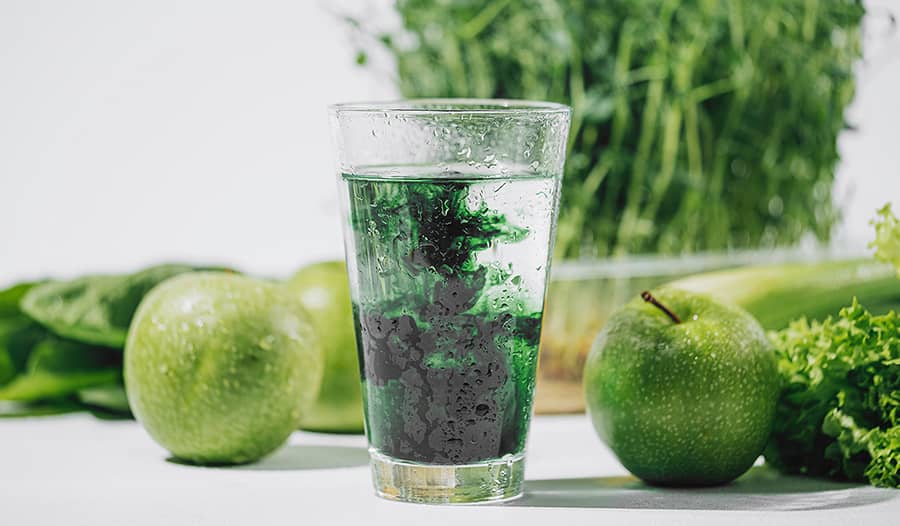
 Table of Contents